Category: edci338

Blog Post 10

How likely are individuals going to continue with their created content and their network?

This question has actually been a big topic of conversion online right now! A lot of big content creators are being asked the question of- how long is this “content creation” trend and income actually going to last?? Or, for the people that dropped out of high school to make content….. What happens when they are not relatable to the rest of the population and no longer have a big following? 

I honestly think that the influencer trend will continue for the next 10 years, although I believe that a lot of these content creators are going to quickly fall off the map. As mentioned in the paper by Del Giudice, “…the Internet is the top media application nowadays due to its high level of interactivity”. If influencers continue to post content that people will watch and add new levels of interactivity, the content creation will continue. 

For the public to be interested in your post, you need to come up with new ideas and be relatable to your audience. A lot of these influencers are already not relatable as they don’t go to school or have a typical 9-5 job. The more unrelatable someone becomes to the general population, people will watch them less. Content creator networks will become smaller as most influencers only relate to other influencers, when it comes to daily schedule, jobs, social networked groups etc. 

Are the skills that they developed applicable in professional practices?

If you are a high paid content creator/ influencer, yes I believe that skills you had to get to that position are applicable. Skills including; oral communication skills, video editing, scheduling posts, creating ideas for content, managing sponsors, networking to bigger organizations for brand deals, and helping sell products are all skills that can be used in a professional environment. With the content and deals that these influencers get, we see them building/ starting their own businesses, and using their platform to sell products from their business as well. In the new age of technology and content creation, knowing how to quickly adapt to changing trends is super important to keep brands relevant and relatable. The skills built when networking with others, is also extremely valuable in business development.  

Can your PLN be used to help professional development post-course? Can your PLN be relied on to open professional opportunities?

Personal learning networks can 100% help in professional development! Reflecting on the Wakelet Podcast, they discussed how using Twitter and being able to connect with other educators online has been super helpful for getting ideas for their own classrooms. When it comes to conferences, having ‘met’ people through online platforms before, makes approaching others easier and makes those real life connections more comfortable. These connections also allow for further development of your own learning, connecting you with new trends and resources. Using your PLN we can share resources and experiences, creating a continuous learning environment. Making new connections and maintaining that online identity, can lead to job referrals, collaborations, and other career advancements.

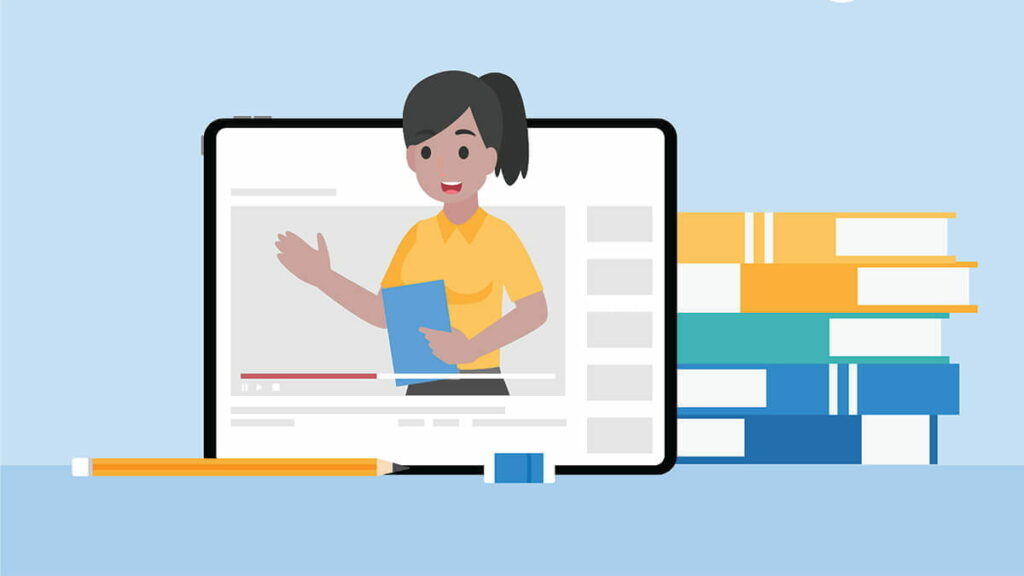
Image 1. Shows use of technology to connect to online spaces

Overall, the most important thing is to get uncomfortable with technology. Try new things, join online chat groups, make new connections because you never know who you might meet! Make that LinkedIn profile, comment on employers posts, join local community chat groups to meet new people. The opportunities now are endless, when it comes to career opportunities and our ability to network with others. 

References: 

The Wakelet Podcast (2022). The Benefits of Growing your Network & PLN. Youtube Podcast. 

Del Giudice, M. (2014). From Information Society to Network Society: The Challenge. In: Social Media and Emerging Economies. SpringerBriefs in Business. Springer, Cham. https://doi.org/10.1007/978-3-319-02490-5_5
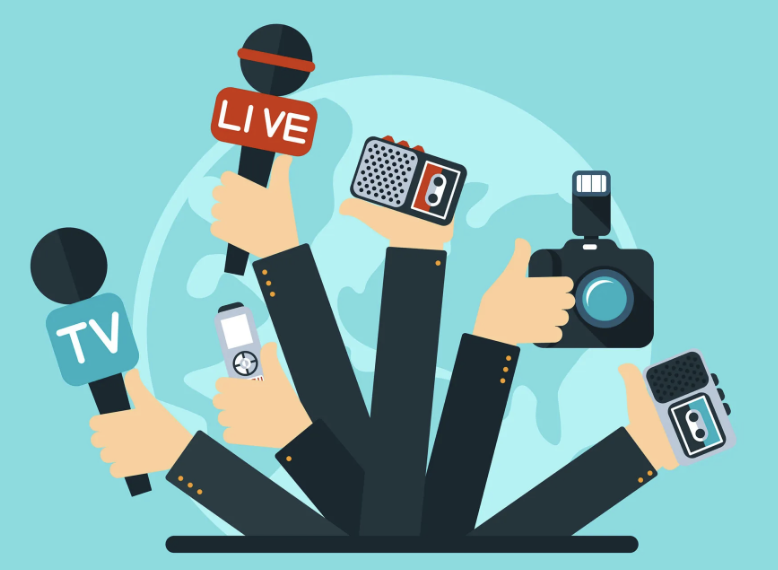
Blog Post 9

What is Media Literacy?

Media Literacy is the “medium of delivering messages” (Trilling et al. 2009). Is the ability to access, evaluate, and create media content in various forms. It involves interpreting media sources such as social media and news sources, and understanding its influence on people and communities. From the podcast for the week the person being interviewed (Julie) mentioned that media literacy is changing everyday! They also mentioned the insane amount of influence that media literacy can have on people! Nowadays, influencers can influence people to buy the product that they’re selling, and a lot of people are compelled to buy that product to look like that influencer or be just like that influencer. In the interview, they brought up Fyre Festival which was sold as this luxurious festival with all the top artists who were featured in those advertisements to sell that product- and people bought into it.  People will watch and buy into compelling news and advertisements, and that is how news stations make their money. 

Why is it important?

Media literacy is important to inform others about political matters, news events, and various things going on in the world. The biggest example I can think of was the pandemic regarding updates on where to get vaccinations and health regulations. All of this information was given to us through online media resources including TV.

As discussed in the podcast, Julie mentioned as someone in an educational role, you can connect with other educators online. Through your PLN and online chat groups, educators can get feedback and guidance or help with problems that may arise in their classes!

Image 1. Represents TV media literacy

Why is it dismissed?

Media can commonly be dismissed if it doesn’t follow your own views or opinions on something. As mentioned in the podcast by Julie, they said something which I found really interesting which was that- ‘we choose news outlets that are on our side, and follow our opinion’. They also mentioned that news is a business, and news talks about things that their viewers are interested in, and that’s how they make money. Possibly credible resources can be dismissed if they don’t follow what we usually see on the news through our news outlets or share our opinions on a matter. 

Why should you aim for varied views but the factual consensus in your PLN?

Varied views in your Personal Learning Network help you diversify what information you’re learning, allow you to connect with others, and understand their opinions on different matters. It lets you to expand your critical thinking skills when analyzing and evaluating others ideas on topics. It also prevents biased opinions and information. When connecting with the same people with the same ideas, it can be an echo chamber where beliefs and opinions are continuously reinforced without learning anything new. When looking for reliable news, it is important to do your own research and look at various different sources to distinguish facts from opinions.  

Image 2. TV news

Open dialogues about media literacy and how factual information can create conflict. Why does this happen?

Thinking back on what was said in the podcast and from my own experience of what happened during to media literacy during the pandemic… different forms of media literacy can spread a lot of misinformation, and if that one person believes in that misinformation they will continue to seek news sources that feed them that misinformation. There was a lot of conflict between getting vaccinated, staying unvaccinated, wearing masks, not wearing masks etc. A lot of the information that some of these people believed in, were not coming from reliable sources. This then led to a lot of protests on the matter and created conflict within our communities. 

What is the benefit of having a PLN that values media literacy?

Having a PLN that values media literacy allows you to create a collaborative learning environment. In these collaborative spaces we can better connect with each other and participate in online environments.

References: 

Trilling, Bernie., & Fadel, Charles. (2009). 21st century skills learning for life in our times / Bernie Trilling and Charles Fadel. (1st ed.). Jossey-Bass.

Smith, Julie. (2021). EDCI 338 – MEDIA LITERACY. Youtube Podcast.

Blog Post 8

Which social media platforms are beneficial in education?

Based on the reading this week, some of the different social media that was talked about included WordPress (which we use for this class to post blogs), Twitter and Google community programs. Twitter I was surprised about because I personally don’t use Twitter, although Twitter is described as establishing open conversations and being able to connect through public conversations where anyone can jump in. The Google Community online programs were referred to as more private programs where you can private message each other. Thinking about my own personal education experience I would say YouTube has been one of the most important social platforms for education because there are so many tutorial videos on how to solve different equations or quick crash course summaries of a topic you might have learned in class. In our discussion, we talked about how Instagram group chats and Discord are a helpful way for students to communicate and chat with each other, or help solve homework questions. 

As discussed in our groups this week, it was brought up that having a social platform and PLN can be great for educators to connect and share educational resources. It’s also great for teachers to find different ways to teach your students. As I’d mentioned before, YouTube is a great resource to find quick videos that can introduce a topic to students. 

When working with the vulnerable sector, how does social media fit into professionalism and regulations?

When considering the vulnerable sector, I think of children’s use of the internet and interactions. From personal experience working at a summer camp, we had to use “camp” names to help keep our identity private and to stop campers from looking us up on social media. As a staff we were also told to not follow our campers on social media platforms for professionalism and to keep our accounts private. Seeking consent to use an image of a child is a well known practice of professionalism and having parents sign photo release forms is essential to maintaining that privacy! Maintaining professional boundaries are important when interacting and working with youth to protect their privacy and your own. 

Community communications go beyond blogs and social media shares, how does a PLN help and hinder the development of thoughts and ideas in education discourse?

Personal Learning networks that are well connected and diverse, are great ways of learning new information and making new connections with others. As defined in the reading by Alec Couros and Katia Hildebrandt; “ Personal learning networks are the sum of all social capital and connections that result in the development and facilitation of a personal learning environment.” New tools, artifacts, processes, and connections help hinder new thoughts and ideas. In the video for the week, it also talked about the 3 ways for teachers to get connected including following others, getting connected, reading what others are up to, giving back and sharing with others! These are just some of the ways PLN can bring new thoughts and methods of teaching to education. PLN helps educators solve problems and stay up-to date with recent research. 

What are some problems with social media communications in educational settings?

Integrating social media into educational settings you need to create rules and boundaries of using any online tool. If the online tool is not directly related to that class, such as Brightspace (used at UVic) or Google Classroom, it is easy for students to become distracted or use that tool for things other than coursework. Other general problems that could arise include online cyberbullying, misinformation through online sources, and in general access to online social media platforms. If a learner does not have access to the internet or technology, it is difficult for them to participate in online communications in educational settings. As an educator maintaining a professional profile and role on social media is also important as your students can look you up on social platforms. 

In the reading for the week, and discussed in our groups, there was mention of Adult learning theory, also known as andragogy, where adults learn differently from children and that these differences should be acknowledged. I feel that social media has been so easy for those growing up with it to use and incorporate into our everyday lives, we forget about how adults might need a different way of learning. I see this as another problem of online communications, as nowadays all course material are posted online and professors and educators who are adults need to know how to use these online platforms to share class material with learners. 

References: 

Couro, Alec. Hildebrandt, Katia. (2016). Emergence and Innovation in Digital Learning.

Image link: https://www.waldenu.edu/media/4752/seo-1154-bs-online-teacher-on-tablet-monit-367694974-1200×675

Blog Post 7

How do notable individuals use social media?

When I think of “notable individuals” I think of the influencers, politicians, and celebrities. When looking at the way they use social media I think it greatly depends on the audience you are trying to reach and if you are promoting brands etc. Influencers commonly use social media to promote brands that might be sponsoring them or host live streams of them going about their days. Right now, I see a lot of “Gym influencers” promoting different clothing brands, selling workouts, or promoting different proteins they take to look the way they look. Celebrities (movie stars, singer/songwriters) also might post content that promotes their brand or posts content that raises awareness of various issues.  Reflecting on what was discussed in the chat, one of my group members highlighted in the reading for the week about fake news gaining prominence during the 2016 US Presidential election and how Donald Trump weaponized the term to criticize media outlets. This shows how different people with high public following can influence others using their social platforms.

What are the benefits of being in the public eye and having a PLN?

Being in the public eye allows you to get brand deals, make money from posting content, and allows you to continue to expand your online network. One of the biggests examples I can think of is the D’amelio family. The youngest daughter started dancing on TikTok and now they go to big celebrity events, have a bunch of brand deals, and their own TV show, similar to the Kardashians as well. With a high following, starting your own brand business and promoting that business is also something I feel like I see happening a lot with celebrities nowadays. Having a PLN in generals is a great way to connect with like-minded individuals and learn new things from others. It is also a great way to connect with employers and explore job opportunities. 

Image 1. This image shows how one can like and comment on social content.

Building a community with online tools provided by the employer can be limiting, what are the perceived restrictions and benefits?

Employer related online tools can be limiting in the sense that it only applies to the work that you might do in that position. Possible benefits of using employer online tools can include online training to help you further your skills or collaboration between teams through online company chats. Tools used by your company might also provide one access to contact information for other companies that you could collaborate and partner with on projects. Depending on your company, you can also get the opportunity to go to conventions or conferences, where you can connect with other employers or collaborate with other businesses.

Delivering information in a connected society requires verifiable resources, how do you build a PLN to rely on? How do those, who are veteran storytellers, minimize the risk of sharing misinformation?

Misinformation will come your way no matter what. With so many different online platforms sharing information, it is easy to get overwhelmed and confused on which to listen to. In my personal experience, as a Biology student we have been taught to go through Google Scholar or look at online articles that have been peer reviewed for credible information. When it comes to online news sources, I always like to look at a variety of online News platforms and pay less attention to what’s posted on social media from just general/ individual users. If you do look on social media for News, always look for the blue check mark showing that the account has been verified. When sharing information with others, or when your friends share stories or information with you, it is always best to check those facts using resources and online credible tools. All your friends might have different opinions on different topics, and that’s okay! To best understand certain topics yourself, always do your own research! 

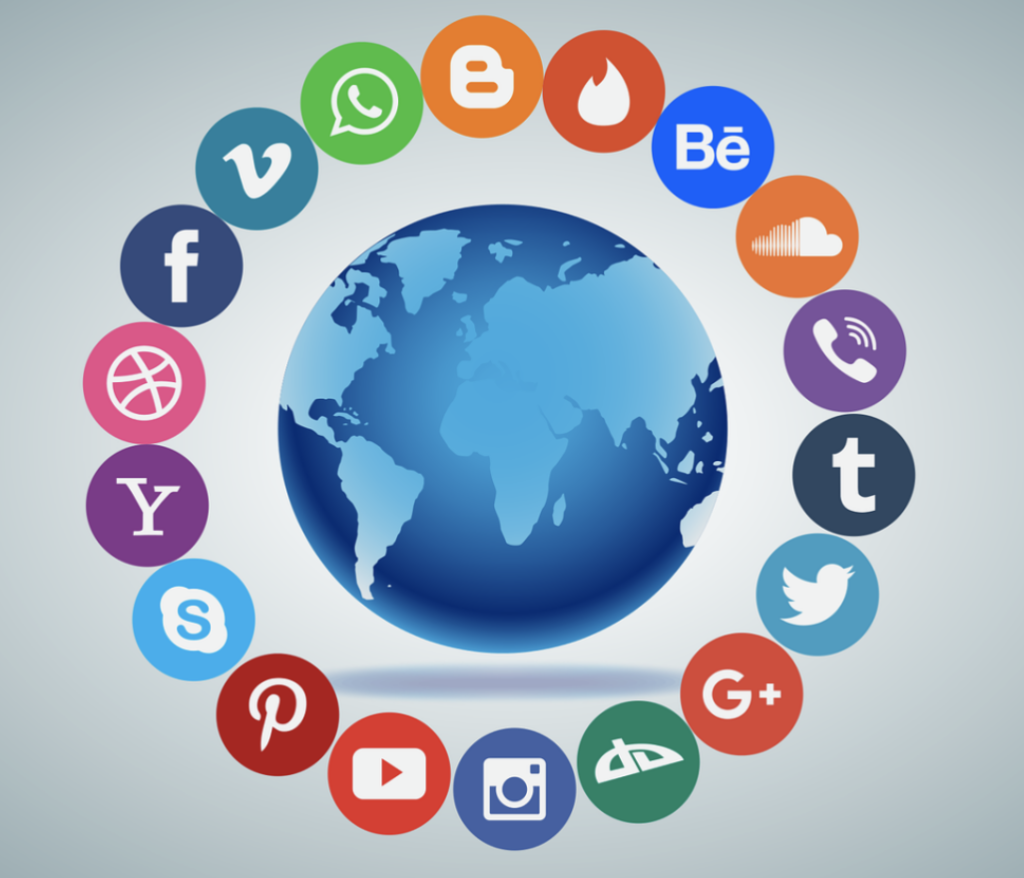
Image 2. Demonstrates the various media used around the globe

How to best address negative replies and reviews which reflect your personal values? Identify the risks and benefits of engaging with a public audience in a media space – What are the risks for a public figure or person in a position of trust (educator, lawyer, and government official)?

Reflecting on the podcast we listened to this week, the person being interviewed had told a story about how they would get physical “hate mail” letters mailed to them and phone calls to complain about what they looked like or what they said on the air/ TV that day. It is always a risk nowadays no matter who you are, or what platform you have, that there will be “haters” and scammers that might post rude or unwelcoming comments. A lot of celebrities speak about the different ways that they cope with these online “hate” comments, and a lot of them say the same thing. That it is best to ignore them as much as possible, and change settings on your social platform to limit the amount of comments or to filter the unwanted comments. Other risks or more extreme risks that people with a big online presence or politicians and lawyers may face are possible death threats or threats against their families.

When it comes to educators, one of the more recent things that I’ve noticed a lot on social platforms is teachers filming themselves in the classroom asking their students questions or talking to their students. A lot of these content creators do a ‘day in the life as a teacher’, or film videos of their students’ reactions to lessons. The students are obviously off camera in these videos, but a lot of the comments under these videos are towards the educators and how they might be communicating with their students and are being criticized online. 

References:

Lui, Sophie. “Sophie Lui- EDCI 338”. YouTube. Uploaded June 6th 2022. https://www.youtube.com/watch?v=wfcXgKLzOVM

Blog Post 6

How does social media engage communications?

Social media platforms such as Instagram allow us to live stream, message each other, and comment on each other’s posts! This real-time communication allows us to connect with each other instantly. Social media provides a platform for not just individuals but for businesses and organizations, where they can promote their business and projects to a wide audience. Platforms like twitter can engage discussions between users and provide up to date quick info posts on News stories, or my main use for twitter – seeing if there is a snow day that day or not. As mentioned in the article by Jessica Clark and Patricia Aufderheide “Publics are fed by the flow of communication”.  Through the sharing of videos and images, social media can engage all types of learners and allow us to connect with those with similar interests. 

How does social media challenge communications? Is it inclusive?

Social media can challenge communications through the spread of possible misinformation. This question got me thinking back to how during COVID everyone seemed to be a pandemic and vaccine expert, and a lot of the information that was being spread on social media sites was misinformation. Another one of the big things we have all learned to be careful of when being online are possible “hackers”, accounts pretending to be people they are not, and online cyberbullying. As many users can “hide behind the screen” we can see a lot of ugly comments under public figures’ posts and just flat out cyberbullying happening in online spaces. 

Social media communications can be both inclusive and exclusive. If users have similar interests they can join groups on Facebook where you can connect with others and share content with each other. Online social networks can also diversify our views on matters, allow us to meet new people, and anyone can have a social media account! Social platforms can also be somewhat exclusive as there are not always captions on videos, you need internet access to view social platforms, and as discussed before- cyberbullying can deter many away from participating in online discussion or posting media. As mentioned in the reading by Jessica Clark and Patricia Aufderheide “In order to function well, public media projects and platforms designed to engage stakeholders around issues must be both accessible to and representative of the entire population….”. Further proving that to have a successful inclusive space online it needs to be accessible and engaging for everyone!

Does your personal learning network amplify the views of others?

Looking at my own PLN, I don’t feel that it amplifies the views of others. Just looking at my social media, the main things I post are pictures of friends, and I only use Facebook to connect with UVic club social groups and because most of my relatives only use Facebook. On these platforms I haven’t re-posted or commented on political matters and have kept views on public matters somewhat private from my PLN. I do however sometimes re-post projects or like organizations and companies posts that I follow on Instagram/ Linkedin! Diversifying your PLN is always a good idea, so you can explore different views and opinions. If you keep to a very limited PLN, you won’t learn new things and your current views will only be reinforced. 

Image 1. Representing communications of employer social media expectations

The policies of employer social media communication expectations.

When considering how to professionally communicate on social media as an employee, I believe it is best to keep your social media unbiased and somewhat professional. When I say “professional” I don’t believe you need headshots and quotes from your organization, but to be aware of what you post on your social media as if employers can view it. Another policy that could be put in place is to keep knowledge of your work confidential and to maintain respect for others in your social network. 

How to better use social media to build PLN? Influencers & Commentators.

Using social media to build your PLN allows you to make diverse and new connections with others. Social media platforms such as Instagram and Tiktok have “for your pages” and give suggestions under the explore tabs with suggested content that you might like! This allows you to view new content creators and connect with others that might have different views, further diversifying your PLN. A lot of influencers use hashtags and have public accounts, allowing their content to reach more people or connect to a specific audience that might view the hashtags. As mentioned by Amirael in our discussion groups, in the podcast for the week “the interviewee talked about how hashtags can be as a call to action or change..”. Along with making a statement or call for action, hashtags can also connect content creators with brands and other companies who might be looking for creators to help promote their brand! 

Commenting on others posts or discussions gets you participating in online networks. Any comments you make on post can build your PLN by showing that creator support for their content. Participating in online discussions through platforms such as Facebook groups or Twitter, also allow you to connect with other like-minded individuals and also build your PLN by showing that you support that content creator/ what they had posted. 

References: 

Clark, J., & Aufderheide, P. (2011). A New Vision for Public Media. In S. C. Jansen, J. Pooley, & L. Taub-Pervizpour (Eds.), Media and Social Justice (pp. 55–67). New York: Palgrave Macmillan US. Retrieved 23 October 2023 from https://doi.org/10.1057/9780230119796_5 

Blog Post 5

Content Reflections: 

After reading the article for this week, I think the biggest thing needed to expand our personal learning network is to talk to everyone, as you never know what connections you might make! I like how the article mentions that everyone’s PLN is different and diverse in its own way because that is so true! I think my connections on the different social platforms including Instagram, VSCO, LinkedIn, TikTok have allowed me to diversify my PLN and connect with new people.

To expand my PLN and build a network of individuals who are dynamic, reliable, and participatory, I like to talk to everyone and connect with new employers on social platforms. Whether that would mean connecting/ messaging employers on LinkedIn, attending conferences and chatting with various exhibitors, or following employers on Instagram to stay up to date on recent projects. As mentioned in the article by Woods “The people around you have a wealth of information..” and I 100% agree! Taking the time to talk to those around you, even if it starts with talking about the weather outside, can be super beneficial and you never know where that conversation might lead, or if that person has the same interests as you!

After listening to the podcast from this week, I thought it was so funny how the guest talked about when to connect with others, you had to go through the phone book! That conversation just shows you how much technology has changed, and how we connect with each other has changed over time. As a kid I remember the phone book my parents used to flip through to find numbers of local stores or friends in the area. Now with a quick google and click away you can call any store you want. When the guest was talking about making phone calls to follow up on emails or mail sent to potential employers, I related to this conversion so much! As an undergraduate student in there last year, making cold-calls and sending emails to employers is something I have definitely gained some skill in. If there are companies you want to work for, handing in your resume and following up with a call, I think, is the best way to show your interest in that job. 

Image 1. Connections to online networked spaces and the diversity of those that we meet

Weekly Question: How would you create a PLN prior to engaging in a social media campaign on a topic of your choice?

Thinking about the question of the week about how I would create a PLN prior to engaging in a social media campaign, I think the best way would be to do a general search of the topic on any networked platform. To connect with individuals who might support this campaign, as we know, you can look through hashtags on Instagram, Twitter, and TikTok to find creators who support this campaign and those who might be against the campaign. Viewing different opinions on a topic and doing your own research can also be a helpful way to expand your learning network! Commenting on posts or reposting content related to that campaign to your personal network of followers is also a way to show that you support that campaign. Connecting with others through common interests is a great way to make new connections and expand your learning network!

Image 2. Demonstrating our connection to online networks

References: 

Woods, Bianca. “Building your own PLN: seeking new insights and ideas? Expand your personal learning network.” T+D, vol. 67, no. 11, Nov. 2013, pp. 70+. Gale OneFile: Business, link.gale.com/apps/doc/A348998538/ITBC?u=uvictoria&sid=summon&xid=1010abdf. Accessed 14 Oct. 2023.


“Sophie Lui- EDCI 338”. YouTube. Miller. June 6 2022. https://www.youtube.com/watch?v=wfcXgKLzOVM&t=1775s

Images:

Image 1. https://gmhigher.ac.uk/wp-content/uploads/2022/08/Social-media-image.png

Image 2. https://static.vecteezy.com/system/resources/previews/024/029/941/original/social-media-icons-clipart-transparent-background-free-png.png

Blog Post 4

How diverse is your PLN? Are you learning from a variety of diverse voices and are you expanding your understanding of the views of others?

After discussing in our group, alot of us agreed that we all have diverse connections within our PLN. Mostly when it comes to sexuality, ages, background, and I also brought up diversity in political views and opinions as well. This diversity allows us to hear the voices of others and understand others views and opinions. We also discussed how right now in the world inclusion is feeling a little too forced, when it comes to how inclusive things need to be and being cautious of saying something wrong. Thinking about the reading “One without the other”, and the author reflecting on their personal experiences (the pep rally example), I enjoyed how the idea of inclusivity in that setting changed and how we can think about inclusivity differently. Relating back to our discussion, that inclusivity looks different and can mean different things to different people. Overall, I think our online networks are a great way to continue to make new and diverse connections with others, and expand our PLN!    

What is the learning outcome of your PLN and how are you ensuring your exposure to diversity and inclusion?

I have never thought about what the “learning outcome” might be of my PLN because when I first got social media, or I guess started my PLN, it was to post selfies and share pictures of food (as a 12 year old child haha). Reflecting on my PLN, I would say my goal now is to make as many connections as possible to help me expand my professional network. Which will hopefully help me start my official adult career after university. To ensure exposure to diversity, I do my best to connect with new people on LinkedIn and always talk to everyone I meet at conferences or social events! 

How likely are individuals going to continue with their created content and their network? Are the skills that they developed applicable in professional practices?

I wasn’t sure the best way to answer this question, although thinking about online content creators nowadays, you are slowly starting to see more people using captions, voicing their opinions/ views on matters, and supporting other creators. Another big thing I have noticed is content creators hosting in-person socials where followers/ anyone who wants to join can come to that social event and meet new people! I would say this is a big example of being inclusive using your network! So yes, skills such as being aware that not everyone might be able to hear the video you post and adding captions, and being open to meeting new people, I believe are applicable to professional practices! 

Inclusion in professional settings?

Thinking about inclusion in professional settings, the one setting I can think of is summer camp. When I used to work at summer camps, more staff would be allocated to groups where youth might need more support from counselors or guidance in their daily activities. This allowed youth who might be living with disabilities to still be a part of the normal camp group, and also have that support there if needed! Online, I believe the best way for a business to be inclusive is to overall be accepting of others, if there is videos on a professional website include captions, have different options for those seeking employment to connect with employers (online, in-person, phone etc), and support diverse initiatives or events in that business professional sector.

Blog Post 3

What digital platforms are students currently using to develop their professional network?

After discussion in our groups some of the common digital platforms we all agreed on were Facebook and LinkedIn! LinkedIn is a great way for us to view job postings and connect with employers that might have future job opportunities in our field of study! I personally have recently started updating my LinkedIn over the past year and adding all my work experiences and skills that I’ve learned at these placements. This allows any employers that look me up on LinkedIn to view my past skills and see if I would be suitable for positions!

Another social media that I didn’t think would be as important as it is for expanding my professional network is Facebook. Facebook has a lot of online communities and groups that have job postings and work opportunities for recent graduates. Facebook groups is also a big platform that a lot of UVic clubs use to post club updates and events going on around campus. These groups and communities allow us to expand our social network and make connections with new people!

What could the student consider in expanding their professional learning network?

When expanding our professional learning network I think one of the most important things is to attend conferences, webinars, talk to profs and TA’s about opportunities and their past educational experiences. Other ways to expand your professional learning network include, as I mentioned before, adding skills to your LinkedIn profiles, as well getting help updating your resume using on campus resources. Another thing that I’ve recently become aware of is- it’s always great if you do have public social media accounts to post things that you might be doing in your job, or repost any articles or information that the organization you work for is sharing to their feed. This can show to employers that you’re interested in certain organizations and others that you’re interested in this type of work etc.

How does data privacy and security limit and/or promote a PLN?

Data privacy and security can limit access to your personal learning network if your account is private or has limited information about you and your past work experiences. Many choose to have a very low digital profile that allows them to protect their identity, but may also limit them when finding job opportunities or connecting with employers online. As one of my group members mentioned in our discussion-  “it is harder to begin communicating with someone if they have a private account on social media”!

In your network, how can you create a digital identity/ reputation?

Within your network you can create a digital identity by posting photos with friends’, things that you like to do, or reposting articles that you support and commenting on issues that you support. If you’re interested in working for a future organization you can also repost things that the organization shares on their social media as well! To expand your digital identity and professional digital identity, adding more professional pictures about any work that you’re doing in your field of study and sharing that on your social platform, I believe, is also a great idea! 

Consider how an employer would respond if you applied for a job with them and they assessed your social media presence via your digital identity.

I think an employer would view my LinkedIn and see my past work experiences, skills and connections I’ve made with various other organizations! My public social media consists of photos of me and my friends, photos of nature, and past field work experiences! I don’t believe that my social media presence and digital identity would affect my employability. Although I can never 100% be sure!  I will always continue to be aware of what I post on social media and always think twice about commenting or reposting something to my feed. 

This week I had a lot of fun making the visitor vs resident graph and assessing all the different digital media that I use everyday for work, personal use and school. Please find attached my personal graph- I hope you enjoy it!! 🙂 

Blog Post 2

What is a digital identity?

After reading and watching the videos from this week’s material, digital identity is quite literally everything we post, share, like, comment, or interact with on social media and the internet. It is our “digital footprint”. Others that follow our social media accounts can view what we post and share. After reading the “Identity making and social media” paper, digital identity encapsulates the whole idea of identity and belonging in our networked spaces. Posting and sharing specific content to fit in with the social norm, possibly regardless of our lives outside of social media. As mentioned by Goffman they “describe a world where our interactions with others are not necessarily authentic; in other words, we ‘role play’ situations conforming to societal roles expected of us”. Reflecting on these points, digital identity is not always authentic but plays a large role in our networked connections. As said by Goffman “if one is to be seen as belonging in a social network, one must dress the part and act the part, and do the correct leisure”. Overall, digital identity is how you showcase yourself on the internet!

Image representing our digital identity and our digital footprint online.

How do personal versus professional approaches to digital identity affect social media use?

In my personal experiences I use networked spaces for different uses, but am also aware of the fact that any employer could view any of those spaces. For instance I use Instagram and VSCO as a way to connect with my friends which are both public accounts, so I therefore remember to think “what would an employer think when viewing these images?”. I also use LinkedIn which I would consider my professional approach to digital identity, where I have my job and educational background displayed for employers to view. 

One comment from the ‘Identity making and social media’ article I found quite funny and relatable was the comment about the author having “friends and colleagues who have out-of-date personal pages on Facebook”. I relate to this so much because although I have Facebook, I do not use it to post things but to only be present in UVic club groups. My Facebook is also a place for distant relatives to wish me happy birthday…. majority of which is my entire facebook profile.  

Relating back to the question, some of my social media is out of date and it might be confusing for some employers to navigate through. I also have become increasingly aware of what I am posting and sharing on social media and how that identity is displayed to employers and my professional network. 

How do digital identities converge in networked publics – what are the impacts and/or benefits?

Online networks provide us a space for leisure and entertainment. It also is a space for us to feel a sense of community, to purchase items, stay connected to the news and each other. When thinking about how to answer this question the one thing I thought of is that all humans have opinions, and a lot of us express those opinions on our networked spaces, thus converging our digital identities. Reflecting on the videos and reading for this week there was discussion on political views and opinions on the news being shared over networked spaces and connecting people together. As said in the press conference video “Digital identity can increase political and social inclusion..” and in the ‘Identity making and social media reading’ “the Net continues to play a key role in supporting the rise of new social movements and radical politics…”. This got me thinking back to COVID years when everyone on the internet thought they were a pandemic expert, the backlash some got for their opinions on the matter, the anti-vaxxers vs vaxxers debates, the mis-infomation on the news about the virus and more! To conclude my thoughts, the impacts of converging digital identities and opinions on networked publics can lead to protests, political movements, and the sharing of mis-information. The Net can also be a “positive space for constructing and maintaining social networks, identity and belonging”. 

Image shows ways in which we are connected online and how we use the Net in our everyday lives.

What does my digital identity look like? 

Completing the digital identity exercise in our groups, I think we all realized how much bigger our social media reach and digital footprints actually are. In our chat we discussed the difference between having public and private social media accounts and when we looked up our names/ Instagram usernames on google what images came up. A lot of us found at least one picture of ourselves online regardless of the private social media account. When I googled my instagram handle online I found direct links to my instagram, Facebook, VSCO account, and the UVic Dance Company account. Looking through the images there were 3 images of me, one when I was 12, an image of me doing field work at a co-op placement (posted through the UVic instagram), and a more recent one from the UVic Dance team instagram account. There was also an image of my late great aunt where my name was mentioned in her obituary, so that makes sense that those links/images would appear as well.

Another thing we discussed in our group was the authenticity of our social media posts. I currently have a public instagram as I was selected last year to represent a brand and promote that brand to UVic students through my social media. I had to meet a quota of X amount of posts and shares about the brand etc, in this role. Another member of my group mentioned how on social media “what people see on my Instagram does not fully represent my personality as a whole” and I can fully relate to this when I was in this “brand promoting role”. Reflecting on this week’s readings and ‘Goffman’s theory’, I 100% believe that this was a perfect example of the un-authenticity we can experience on social media and I played the part as an “influencer” to help promote this brand. Overall, I have been more recently aware that I definitely have an uncontrolled social media presence due to my public social media, and to be careful of what I post and share.

Blog Post 1

Sept 20th 2023

Hello everyone! My name is Jesse and welcome to my EDCI 338 Blog! I am currently in my 5th and final year in the Marine Biology program at UVic and am excited to be a part of this class first semester! I chose to take this class as throughout my past co-op term one of my main tasks was using social media to promote events for Ocean Week Victoria. I thought that this course would be a great way to continue learning the best ways to use online tools for educational contexts and continue to help me grow my understanding of our digital footprint. On the topic of online networks, feel free to add me on LinkedIn (Jesse Dool)!

Image representing our personal learning network and demonstrating our connection to others.

After going over the readings for the first week I came to better understand what our PLN is. Our personal learning networks allow us to connect to people, collaborate, and learn from each other, expanding our professional and social network. From a marine biologist in training point of view, the online world is a great way to stay connected to the new research being conducted everyday and share valuable information with each other to further research.  

  1. What does it mean to network using social media?

Technology has definitely changed the way we share information and connect with each other. Social media has become a huge part of this connection as our society continues to become more digitized. The readings talk about the new ways we seek out, access, and store information continues to expand. From video sharing sites to collaborative online spaces, the online world has become a huge part of our everyday lives. When just looking at social media, we can quickly look up someone using their first and last name. We can make connections with employers and see what our friends are up to. Personally as a huge user of social media, I find it as a great way to stay connected with my friends!! Overall, I believe that to network using social media is to create networks that support our professional development and stay connected as a society. 

  1. How are we motivated to participate in networked publics?

Thinking about all of the different online spaces I use… there is a lot! From various social media accounts, to LinkedIn, to Google drive programs for work, mattermost, slack, and more, to participate in networked spaces is not just a motivation, it is needed to stay connected. Reflecting on the readings from the week, the main theme I found between them was the opportunity for online networked publics to connect us to future job opportunities. Like LinkedIn for example- this is a great online networked space where employers can find out about your past job experiences and skills. It also allows us to look up various organizations and companies, view who has worked there in the past, opinions about the company, and view job openings. Networked publics allow us to build connections, maintain connections, and activate new connections. 

  1. What are the risks & rewards of public communications?

Online networked spaces are a great way to connect with new employers and collaborate with different organizations/ companies. Although, we have to always continue to be aware of what we post on our social networked spaces. As mentioned in the readings, online machines can take information from our social spaces and send us targeted ads, job postings, possible social media connections, and more. The possibility of our data being misused and the non-existence of privacy continues to grow. We are continuously subject to advertising and personalization based on what we post and who we connect with. Reflecting on past summer camp job experiences, the one thing we had to do was use a different name at camp to keep our identity and social networked accounts private. As someone who also plans on graduating this year and starting a professional career, I have become more and more aware of what I post on my social media and what employers can view when my name is looked up on the internet. 

Overall, networked spaces allow us to stay connected with each other, expand our learning networks, and make professional connections with employers. Although we must increasingly be aware of our digital footprint, and what we post on our social networks, to help protect our privacy. 

© 2026 EDCI 338 Blog

Theme by Anders NorenUp ↑