What is a digital identity?
After reading and watching the videos from this week’s material, digital identity is quite literally everything we post, share, like, comment, or interact with on social media and the internet. It is our “digital footprint”. Others that follow our social media accounts can view what we post and share. After reading the “Identity making and social media” paper, digital identity encapsulates the whole idea of identity and belonging in our networked spaces. Posting and sharing specific content to fit in with the social norm, possibly regardless of our lives outside of social media. As mentioned by Goffman they “describe a world where our interactions with others are not necessarily authentic; in other words, we ‘role play’ situations conforming to societal roles expected of us”. Reflecting on these points, digital identity is not always authentic but plays a large role in our networked connections. As said by Goffman “if one is to be seen as belonging in a social network, one must dress the part and act the part, and do the correct leisure”. Overall, digital identity is how you showcase yourself on the internet!
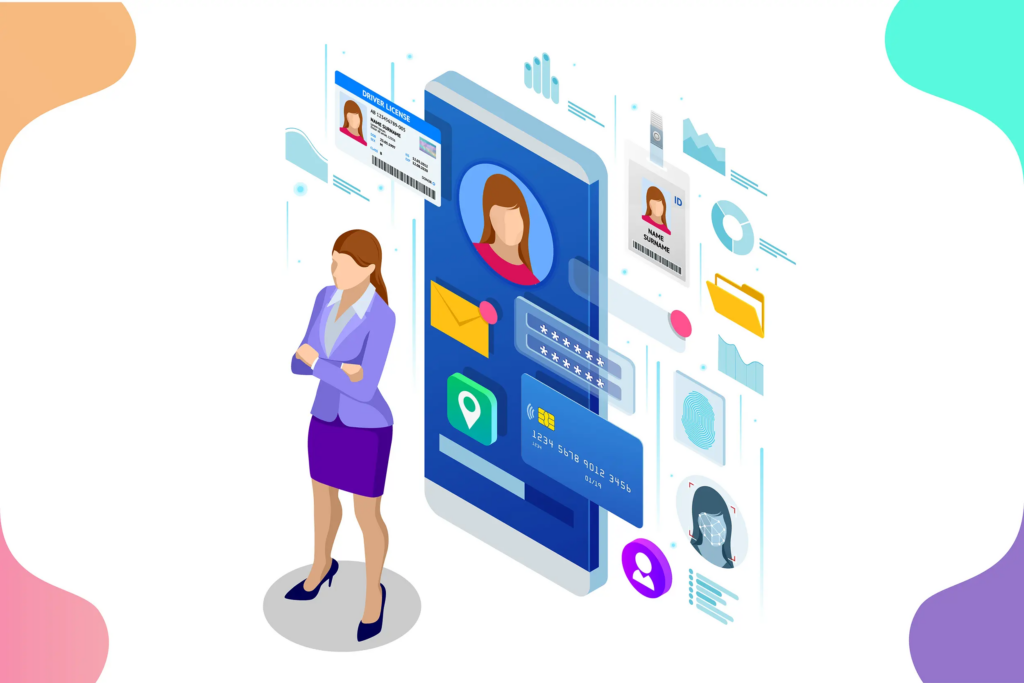
How do personal versus professional approaches to digital identity affect social media use?
In my personal experiences I use networked spaces for different uses, but am also aware of the fact that any employer could view any of those spaces. For instance I use Instagram and VSCO as a way to connect with my friends which are both public accounts, so I therefore remember to think “what would an employer think when viewing these images?”. I also use LinkedIn which I would consider my professional approach to digital identity, where I have my job and educational background displayed for employers to view.
One comment from the ‘Identity making and social media’ article I found quite funny and relatable was the comment about the author having “friends and colleagues who have out-of-date personal pages on Facebook”. I relate to this so much because although I have Facebook, I do not use it to post things but to only be present in UVic club groups. My Facebook is also a place for distant relatives to wish me happy birthday…. majority of which is my entire facebook profile.
Relating back to the question, some of my social media is out of date and it might be confusing for some employers to navigate through. I also have become increasingly aware of what I am posting and sharing on social media and how that identity is displayed to employers and my professional network.
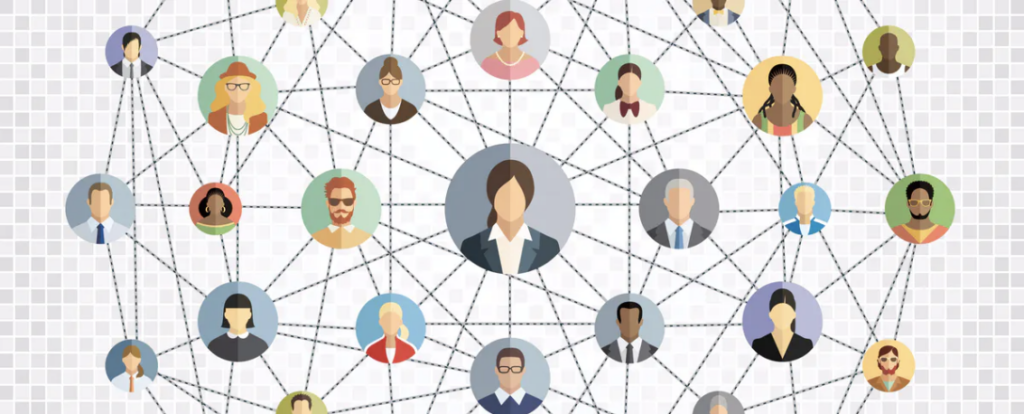
How do digital identities converge in networked publics – what are the impacts and/or benefits?
Online networks provide us a space for leisure and entertainment. It also is a space for us to feel a sense of community, to purchase items, stay connected to the news and each other. When thinking about how to answer this question the one thing I thought of is that all humans have opinions, and a lot of us express those opinions on our networked spaces, thus converging our digital identities. Reflecting on the videos and reading for this week there was discussion on political views and opinions on the news being shared over networked spaces and connecting people together. As said in the press conference video “Digital identity can increase political and social inclusion..” and in the ‘Identity making and social media reading’ “the Net continues to play a key role in supporting the rise of new social movements and radical politics…”. This got me thinking back to COVID years when everyone on the internet thought they were a pandemic expert, the backlash some got for their opinions on the matter, the anti-vaxxers vs vaxxers debates, the mis-infomation on the news about the virus and more! To conclude my thoughts, the impacts of converging digital identities and opinions on networked publics can lead to protests, political movements, and the sharing of mis-information. The Net can also be a “positive space for constructing and maintaining social networks, identity and belonging”.
What does my digital identity look like?
Completing the digital identity exercise in our groups, I think we all realized how much bigger our social media reach and digital footprints actually are. In our chat we discussed the difference between having public and private social media accounts and when we looked up our names/ Instagram usernames on google what images came up. A lot of us found at least one picture of ourselves online regardless of the private social media account. When I googled my instagram handle online I found direct links to my instagram, Facebook, VSCO account, and the UVic Dance Company account. Looking through the images there were 3 images of me, one when I was 12, an image of me doing field work at a co-op placement (posted through the UVic instagram), and a more recent one from the UVic Dance team instagram account. There was also an image of my late great aunt where my name was mentioned in her obituary, so that makes sense that those links/images would appear as well.
Another thing we discussed in our group was the authenticity of our social media posts. I currently have a public instagram as I was selected last year to represent a brand and promote that brand to UVic students through my social media. I had to meet a quota of X amount of posts and shares about the brand etc, in this role. Another member of my group mentioned how on social media “what people see on my Instagram does not fully represent my personality as a whole” and I can fully relate to this when I was in this “brand promoting role”. Reflecting on this week’s readings and ‘Goffman’s theory’, I 100% believe that this was a perfect example of the un-authenticity we can experience on social media and I played the part as an “influencer” to help promote this brand. Overall, I have been more recently aware that I definitely have an uncontrolled social media presence due to my public social media, and to be careful of what I post and share.
Recent Comments