Which social media platforms are beneficial in education?
Based on the reading this week, some of the different social media that was talked about included WordPress (which we use for this class to post blogs), Twitter and Google community programs. Twitter I was surprised about because I personally don’t use Twitter, although Twitter is described as establishing open conversations and being able to connect through public conversations where anyone can jump in. The Google Community online programs were referred to as more private programs where you can private message each other. Thinking about my own personal education experience I would say YouTube has been one of the most important social platforms for education because there are so many tutorial videos on how to solve different equations or quick crash course summaries of a topic you might have learned in class. In our discussion, we talked about how Instagram group chats and Discord are a helpful way for students to communicate and chat with each other, or help solve homework questions.
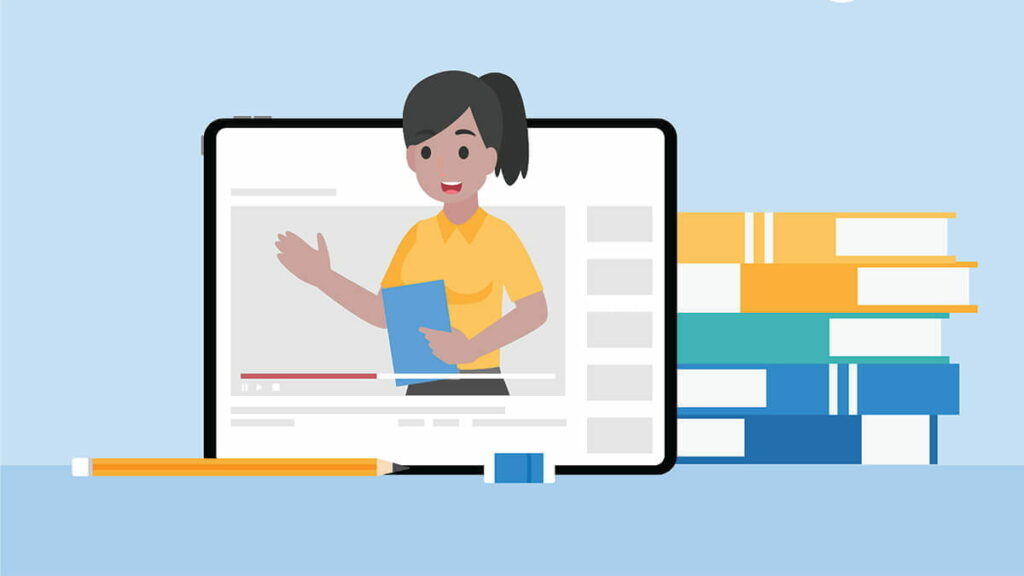
As discussed in our groups this week, it was brought up that having a social platform and PLN can be great for educators to connect and share educational resources. It’s also great for teachers to find different ways to teach your students. As I’d mentioned before, YouTube is a great resource to find quick videos that can introduce a topic to students.
When working with the vulnerable sector, how does social media fit into professionalism and regulations?
When considering the vulnerable sector, I think of children’s use of the internet and interactions. From personal experience working at a summer camp, we had to use “camp” names to help keep our identity private and to stop campers from looking us up on social media. As a staff we were also told to not follow our campers on social media platforms for professionalism and to keep our accounts private. Seeking consent to use an image of a child is a well known practice of professionalism and having parents sign photo release forms is essential to maintaining that privacy! Maintaining professional boundaries are important when interacting and working with youth to protect their privacy and your own.
Community communications go beyond blogs and social media shares, how does a PLN help and hinder the development of thoughts and ideas in education discourse?
Personal Learning networks that are well connected and diverse, are great ways of learning new information and making new connections with others. As defined in the reading by Alec Couros and Katia Hildebrandt; “ Personal learning networks are the sum of all social capital and connections that result in the development and facilitation of a personal learning environment.” New tools, artifacts, processes, and connections help hinder new thoughts and ideas. In the video for the week, it also talked about the 3 ways for teachers to get connected including following others, getting connected, reading what others are up to, giving back and sharing with others! These are just some of the ways PLN can bring new thoughts and methods of teaching to education. PLN helps educators solve problems and stay up-to date with recent research.
What are some problems with social media communications in educational settings?
Integrating social media into educational settings you need to create rules and boundaries of using any online tool. If the online tool is not directly related to that class, such as Brightspace (used at UVic) or Google Classroom, it is easy for students to become distracted or use that tool for things other than coursework. Other general problems that could arise include online cyberbullying, misinformation through online sources, and in general access to online social media platforms. If a learner does not have access to the internet or technology, it is difficult for them to participate in online communications in educational settings. As an educator maintaining a professional profile and role on social media is also important as your students can look you up on social platforms.
In the reading for the week, and discussed in our groups, there was mention of Adult learning theory, also known as andragogy, where adults learn differently from children and that these differences should be acknowledged. I feel that social media has been so easy for those growing up with it to use and incorporate into our everyday lives, we forget about how adults might need a different way of learning. I see this as another problem of online communications, as nowadays all course material are posted online and professors and educators who are adults need to know how to use these online platforms to share class material with learners.
References:
Couro, Alec. Hildebrandt, Katia. (2016). Emergence and Innovation in Digital Learning.
Image link: https://www.waldenu.edu/media/4752/seo-1154-bs-online-teacher-on-tablet-monit-367694974-1200×675
Leave a Reply